
What is yearn.finance (YFI)
May 4, 2026
Robinhood Crypto: Features, Limitations, and the Wallet
May 5, 2026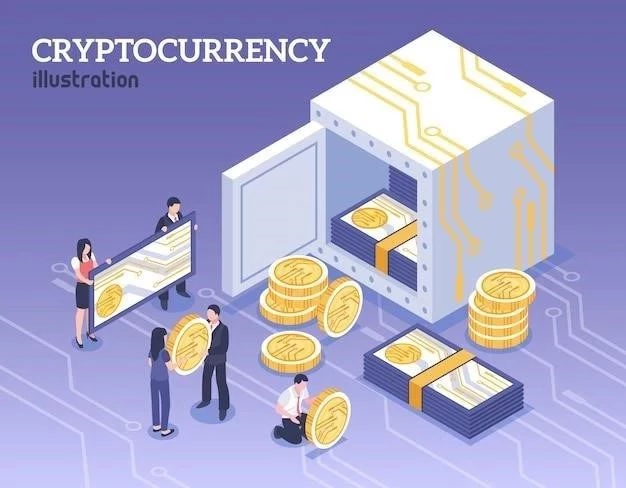
In the rapidly evolving landscape of digital finance‚ Crypto ATMs (Automated Teller Machines) stand as a tangible link between the virtual world of cryptocurrencies and our everyday physical transactions. Often referred to simply as Bitcoin ATMs‚ these kiosks enable users to buy and‚ in some cases‚ sell cryptocurrencies using fiat currency (traditional money like USD or EUR). They represent a crucial step in making digital assets accessible to a broader audience‚ including those without traditional banking services or extensive technical knowledge.
How Crypto ATMs Work
The operation of a crypto ATM mirrors that of a traditional ATM in its user-friendliness‚ yet it interacts with the decentralized blockchain network rather than a bank’s centralized ledger.
Buying Cryptocurrency
- Locate ATM: A user finds a crypto ATM using online maps or dedicated apps.
- Select Option: The user selects the “Buy” option and chooses the desired cryptocurrency‚ typically Bitcoin‚ but often Ethereum‚ Litecoin‚ or others.
- Verify Identity (KYC): Depending on local regulations and transaction limits‚ the user may need to verify their identity via phone number‚ government ID scan‚ or even fingerprint.
- Scan Wallet Address: The user scans the QR code of their cryptocurrency wallet address (where the purchased crypto will be sent) using the ATM’s scanner. Some ATMs can also generate a new paper wallet for users.
- Insert Cash: The user inserts fiat currency (cash) into the ATM’s bill acceptor.
- Confirm Transaction: The ATM displays the amount of crypto the user will receive‚ factoring in current exchange rates and fees. The user confirms the transaction.
- Receive Crypto: The ATM initiates a transaction on the blockchain‚ sending the purchased cryptocurrency to the user’s scanned wallet address. This usually takes a few minutes for network confirmations. A receipt is issued.
Selling Cryptocurrency
- Select Option: The user selects the “Sell” option and chooses the cryptocurrency they wish to sell.
- Verify Identity (KYC): Similar to buying‚ identity verification may be required.
- Send Crypto to ATM: The ATM generates a temporary wallet address (often as a QR code). The user then uses their personal crypto wallet to send the desired amount of cryptocurrency to this ATM-provided address.
- Wait for Confirmations: The ATM waits for the cryptocurrency transaction to receive a sufficient number of confirmations on the blockchain network (to ensure it’s irreversible). This can take longer than buying‚ sometimes 10-30 minutes or more.
- Receive Cash: Once confirmed‚ the ATM dispenses the corresponding amount of fiat cash. A receipt is provided.
Underlying Technology: Crypto ATMs are essentially specialized computers connected to the internet. They communicate with cryptocurrency exchanges or brokers to determine real-time prices and execute trades. They interact directly with blockchain networks to send and receive digital assets‚ and their hardware includes cash dispensers/acceptors‚ QR code scanners‚ and touchscreens‚ all managed by proprietary software.
Types of Crypto ATMs
One-way ATMs
These machines allow users only to buy cryptocurrencies with fiat cash. They are simpler in design and operation‚ often making them more cost-effective for operators to deploy and maintain.
Two-way ATMs
More versatile‚ these ATMs offer both buying and selling functionalities. While providing greater convenience to users‚ they are more complex to operate due to the need for cash management and liquidity for both sides of the transaction.
Advantages of Crypto ATMs
- Accessibility & Financial Inclusion: They provide an easy entry point for individuals who are unbanked or underbanked‚ allowing them to participate in the digital economy without needing a traditional bank account or complex online exchange registration.
- Speed & Convenience: Transactions are often instant‚ especially for buying‚ eliminating the waiting periods associated with bank transfers or online exchange verification processes.
- Physical Presence & Trust: For newcomers‚ the physical nature of an ATM can instill more trust than a purely online platform. It offers a tangible interaction point‚ similar to traditional banking.
- Immediate Cash-Out: Two-way ATMs offer the significant advantage of instantly converting crypto into physical cash‚ providing liquidity when needed.
- User-Friendly Interface: Designed for simplicity‚ crypto ATMs often feature intuitive touchscreens that guide users through the process step-by-step‚ making them ideal for beginners.
Disadvantages & Challenges
- High Transaction Fees: To cover operational costs‚ maintenance‚ liquidity management‚ and regulatory compliance‚ crypto ATMs typically charge higher fees (often 7-15% or more) compared to online exchanges.
- Transaction Limits: Due to regulatory requirements (KYC/AML) and risk management‚ ATMs usually impose daily or per-transaction limits on the amount of cryptocurrency that can be bought or sold.
- KYC/AML Requirements: While historically offering a degree of anonymity for smaller transactions‚ increasing global regulations mean most ATMs now require significant identity verification‚ diminishing this perceived privacy.
- Security Risks: Physical machines can be targets for vandalism‚ theft‚ or tampering. Users also need to be vigilant against scams or phishing attempts that might involve directing them to specific ATMs.
- Volatility Exposure: The price of cryptocurrencies can fluctuate rapidly. During the time it takes to complete a transaction (especially for selling‚ which requires network confirmations)‚ the value of the crypto can change‚ impacting the final fiat amount.
- Limited Coin Options: Most ATMs primarily support Bitcoin. While some offer Ethereum and Litecoin‚ support for a wider range of altcoins is still uncommon.
Security Measures and Regulations
The operation of crypto ATMs is subject to stringent security measures and evolving regulatory frameworks:
- Robust KYC/AML: To combat money laundering and illicit activities‚ operators implement Know Your Customer (KYC) and Anti-Money Laundering (AML) protocols. This often involves ID scanning‚ phone number verification‚ and sometimes even biometric data capture‚ particularly for larger transactions.
- Physical Security: ATMs are built with tamper-proof enclosures‚ are often bolted to the ground‚ and are placed in secure‚ visible locations equipped with surveillance cameras to deter theft and vandalism.
- Software Security: Encrypted communication protocols are used to protect transactions and user data. Regular software updates are crucial to patch vulnerabilities and enhance security.
- Network Security: Secure and reliable connections to blockchain networks and crypto exchanges are paramount to prevent hacking and ensure the integrity of transactions.
Future of Crypto ATMs
The future of crypto ATMs appears promising as the digital asset space matures. We can anticipate:
- Wider Adoption & Geographic Expansion: As cryptocurrencies gain more mainstream acceptance‚ the number of crypto ATMs is expected to grow globally‚ reaching new markets and increasing density in existing ones.
- Enhanced Functionality: Future ATMs may support a broader array of cryptocurrencies and stablecoins‚ integrate with other financial services like bill payments‚ or offer advanced features like crypto-to-crypto swaps.
- Improved User Experience: Competition and technological advancements will likely lead to more intuitive interfaces‚ faster transaction processing‚ and potentially lower fees.
- Regulatory Harmonization: As regulators gain a clearer understanding of digital assets‚ more consistent and harmonized global regulations could emerge‚ fostering trust and facilitating easier cross-border operations for ATM networks.
Crypto ATMs serve as a vital bridge‚ connecting the innovative but often intimidating world of decentralized finance with the familiar mechanisms of traditional cash transactions. They play a crucial role in promoting accessibility‚ convenience‚ and mainstream adoption of cryptocurrencies‚ especially for those who might otherwise be excluded. While challenges like high fees and evolving regulations persist‚ their continued growth and development underscore their importance as a tangible symbol of cryptocurrency’s expanding presence in our real-world economy;