A Comprehensive Guide to Cryptocurrency Investment
March 7, 2026
Crypto 2049 A Global Phenomenon
March 8, 2026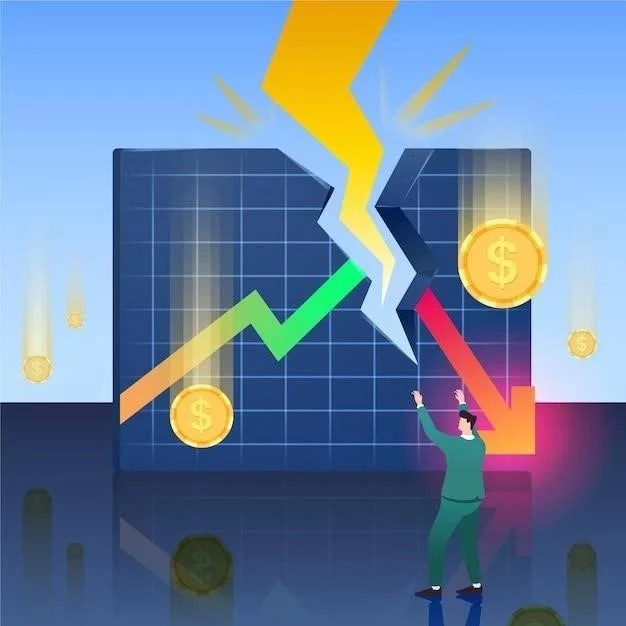
In the volatile world of cryptocurrency, emotional trading often leads to suboptimal decisions․ The Crypto Fear & Greed Index serves as a valuable tool, attempting to quantify the prevailing market sentiment․ Developed for traditional stock markets, its application to crypto helps investors gauge whether the market is driven by irrational exuberance (greed) or unwarranted panic (fear), providing a crucial contrarian perspective․
Understanding the Index’s Mechanics
The index compiles various data points, each weighted differently, to produce a single score from 0 (Extreme Fear) to 100 (Extreme Greed)․ Its primary, weighted components include:
- Volatility (25%): Measures Bitcoin’s current volatility and drawdowns against 30/90-day averages․ High volatility often signals significant market fear․
- Market Momentum/Volume (25%): Compares Bitcoin’s current trading volume/momentum with 30/90-day averages․ High buying volume in rising markets typically suggests greed; conversely, low volume in falling markets indicates fear․
- Social Media (15%): Analyzes sentiment from social media (e․g․, Twitter), counting Bitcoin-related posts and assessing their positive, negative, or neutral tone via NLP․ Significant surges in positive mentions suggest growing market greed․
- Bitcoin Dominance (10%): Measures Bitcoin’s share of total crypto market cap; Increased dominance often means investors shift from altcoins to Bitcoin (safer asset), indicating broader altcoin fear․ Conversely, decreased dominance suggests an “altcoin season” driven by market greed․
- Trends (10%): Uses Google Trends for Bitcoin-related search queries․ Surges for “Bitcoin price manipulation” or “Bitcoin bubble” strongly correlate with fear; “buy Bitcoin” suggests market greed․
- Surveys (15% ⎻ currently paused for crypto): Historically, involved weekly polls on market outlook․ Often paused or given less weight in crypto due to inherent difficulty in conducting truly representative surveys․
Interpreting the Score
The index spectrum:
- 0-24: Extreme Fear: Investors overly worried, potential contrarian buy time․
- 25-49: Fear: Market shows anxiety; caution advised․
- 50: Neutral: Market sentiment balanced, neither excessively fearful nor greedy․
- 51-74: Greed: Investors becoming overconfident; potential market correction․
- 75-100: Extreme Greed: Market overheated, signal for contrarian sellers to take profits․
Why the Index Matters for Crypto Investors
A powerful psychological indicator, it helps investors:
- Avoid Emotional Trading: Provides objective sentiment, encouraging rational decisions over FOMO (Fear Of Missing Out) or FUD (Fear, Uncertainty, and Doubt)․
- Identify Contrarian Opportunities: Adheres to “Be fearful when others are greedy and greedy when others are fearful․” Extreme fear offers buys; extreme greed signals profit-taking․
- Gauge Market Health: Prolonged extreme greed suggests impending correction; extended fear indicates potential bottoming․
Limitations and Criticisms
Despite utility, it’s not a flawless predictive tool:
- Not a Guarantee: A sentiment indicator, not a crystal ball․ Fundamentals, regulations, unforeseen events can override sentiment․
- Lagging Indicator: Data reflects past/current sentiment, not future price movements․
- Simplistic View: Aggregates complex dynamics into one number, potentially oversimplifying nuances․
- Bitcoin-Centric: Heavily Bitcoin-skewed, making it less precise for altcoin analysis despite reflecting overall crypto sentiment․
- Does Not Predict Black Swans: Doesn’t predict black swans (e․g․, hacks, crises) until their impact is felt․
The Crypto Fear & Greed Index is a valuable investor’s tool, offering insights into market psychology․ Used wisely, among other indicators, it fosters informed, less emotional decisions, aligning with long-term strategy․ However, relying solely on it, without broader market analysis and risk tolerance, is imprudent․ It underscores that human emotion is crucial in crypto, alongside technical charts․