

Kaito AI Revolutionizing Crypto Intelligence
April 19, 2026
The 4-Way Mirror A Holistic Framework for Crypto Analysis
April 20, 2026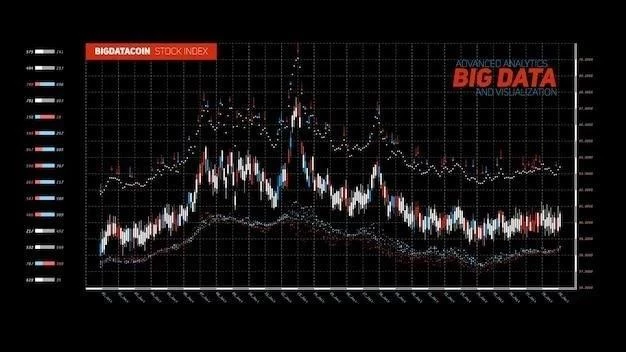
Crypto prices charts are indispensable tools for anyone involved in the cryptocurrency market. They provide a visual representation of an asset’s price movements over time, offering critical insights into its historical performance, current trends, and potential future direction. For traders, investors, and enthusiasts, mastering charts is fundamental for informed decisions.
Key Components of a Crypto Chart
A typical crypto price chart displays several crucial data points:
- Price Action: This is the core data, often represented by candlesticks or bars. Each candlestick shows the opening price, highest price, lowest price, and closing price for a specific timeframe.
- Open: The price at which the asset first traded during the interval.
- High: The highest price reached during the interval.
- Low: The lowest price reached during the interval.
- Close: The price at which the asset last traded during the interval.
- Volume: Usually displayed as a bar graph below the price chart, volume indicates the total number of units of an asset traded within a specific period. High volume often confirms price movements, suggesting stronger conviction behind a trend.
- Timeframes: Charts can be viewed across various timeframes, from minutes (e.g., 1m, 5m) to hours (e.g., 1h, 4h), days (e.g., 1d), weeks (e.g., 1w), or even months (e.g., 1M). Shorter timeframes are useful for day traders, while longer ones suit swing traders and long-term investors.
Types of Price Charts
While candlesticks are dominant, other types exist:
- Line Charts: Simplest, connecting only the closing prices. Good for visualizing overall trends.
- Bar Charts: Similar to candlesticks, showing open, high, low, close with vertical bars.
- Candlestick Charts: Most popular, providing a rich visual representation of price action with body and wicks.
Basic Chart Analysis Concepts
Understanding a few fundamental concepts can significantly enhance chart interpretation:
- Support and Resistance:
- Support: A price level where buying interest is strong enough to prevent the price from falling further. It acts as a “floor.”
- Resistance: A price level where selling interest is strong enough to prevent the price from rising further. It acts as a “ceiling.”
- Trends:
- Uptrend: Characterized by higher highs and higher lows.
- Downtrend: Characterized by lower highs and lower lows.
- Sideways/Range-bound: Price moves horizontally within a defined range, indicating indecision.
Common Technical Indicators
Technical indicators are mathematical calculations based on historical price and volume data, used to predict future price movements.
- Moving Averages (MA): Smooth out price data to identify trend direction. Common types include Simple Moving Average (SMA) and Exponential Moving Average (EMA).
- Relative Strength Index (RSI): A momentum oscillator that measures the speed and change of price movements, indicating overbought or oversold conditions.
- Moving Average Convergence Divergence (MACD): A trend-following momentum indicator showing the relationship between two moving averages of a cryptocurrency’s price.
Factors Influencing Crypto Prices
While charts reflect price action, underlying factors drive it:
- Supply and Demand: The fundamental economic principle. High demand and low supply drive prices up; the inverse drives them down.
- News and Events: Macroeconomic news, regulatory changes, project updates, partnerships, and security breaches can drastically impact sentiment and prices.
- Market Sentiment: The overall emotional tone of the market (fear, greed, optimism, pessimism) plays a significant role.
- Technological Developments: Upgrades, breakthroughs, or vulnerabilities in blockchain technology can affect perceived value.
- Regulatory Environment: Government decisions regarding cryptocurrency legality, taxation, or usage can have profound effects.
How to Effectively Use Crypto Price Charts
- Identify Trends: Use indicators like moving averages or simply observe price action to determine the prevailing trend.
- Spot Support and Resistance Levels: These levels can indicate potential reversal points or areas of consolidation.
- Combine Tools: Don’t rely on a single indicator or chart pattern. Use multiple tools and confirm signals across different timeframes.
- Practice Risk Management: Charts help identify entry and exit points, but always trade with a plan, setting stop-losses and taking profits strategically.
- Stay Informed: While technical analysis is powerful, fundamental analysis (understanding the project, news, etc.) provides crucial context. Charts are a tool, not a crystal ball.
Crypto prices charts are invaluable resources for navigating the volatile cryptocurrency markets. By understanding their components, various types, basic analytical concepts, and key influencing factors, users can develop a more robust strategy. They serve as a language for market behavior, enabling individuals to interpret past movements and anticipate future possibilities, ultimately aiding in more informed and strategic decision-making in the dynamic world of digital assets.