
Phantom NFT Marketplace A Detailed Exploration
August 19, 2026
Hardware Wallets and Crypto Price Stability
August 21, 2026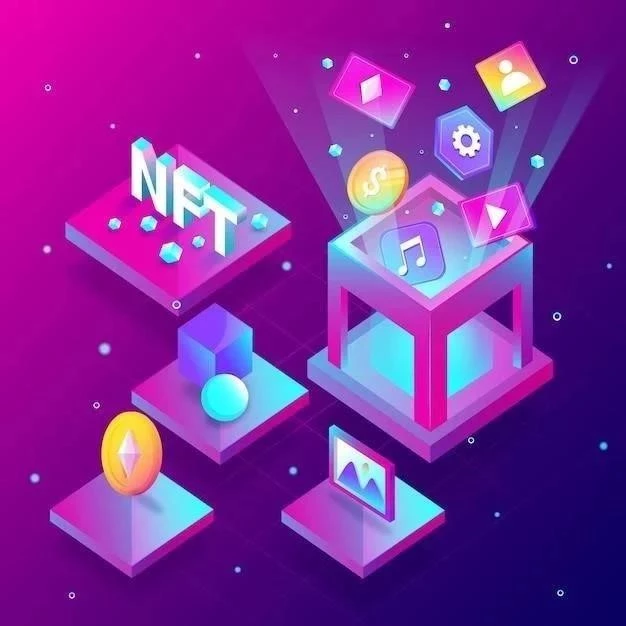
Non-Fungible Tokens (NFTs) have exploded in popularity, creating a demand for robust and user-friendly marketplaces. This article explores the core elements of a successful NFT marketplace theme, covering design, functionality, and key considerations for developers and creators. We’ll focus on what makes a marketplace thrive in this competitive space.
Core Features & Functionality
An NFT marketplace isn’t just a storefront; it’s a complex ecosystem. Essential features include:
- Minting Capabilities: Allowing creators to easily turn their digital art, music, or other assets into NFTs.
- Listing & Selling: A streamlined process for listing NFTs for sale, with options for fixed price or auction formats.
- Bidding System: For auctions, a clear and secure bidding system is crucial.
- Wallet Integration: Seamless connection with popular crypto wallets (MetaMask, WalletConnect, etc.).
- Search & Filtering: Robust search functionality to find specific NFTs based on keywords, collections, price, and other criteria.
- Collection Pages: Dedicated pages showcasing all NFTs within a specific collection.
- User Profiles: Profiles displaying owned NFTs, created NFTs, and transaction history.
- Secure Transactions: Utilizing blockchain technology to ensure secure and transparent transactions.
Design Considerations
The visual appeal of an NFT marketplace is paramount. Here’s what to keep in mind:
- Visually Striking: NFTs are visual assets. The marketplace must showcase them beautifully. Large, high-quality image/video previews are essential.
- Clean & Intuitive Interface: Avoid clutter. A user-friendly interface is vital, especially for newcomers to the NFT space.
- Dark Mode Option: Popular among crypto enthusiasts, a dark mode can reduce eye strain.
- Responsive Design: The marketplace should function flawlessly on all devices (desktops, tablets, and smartphones).
- Brand Identity: A unique and memorable brand identity will help the marketplace stand out.
Technical Aspects & Blockchain Choice
The underlying blockchain significantly impacts the marketplace’s functionality and cost. Popular choices include:
- Ethereum: The most established blockchain for NFTs, but can suffer from high gas fees.
- Polygon: A Layer-2 scaling solution for Ethereum, offering lower fees and faster transactions.
- Solana: Known for its high speed and low fees, but has a different ecosystem.
- Binance Smart Chain (BSC): Another popular option with lower fees than Ethereum.
Smart contract development is crucial for automating transactions and ensuring security. Auditing smart contracts is essential to prevent vulnerabilities.
Monetization Strategies
Marketplaces generate revenue through:
- Transaction Fees: A percentage of each sale.
- Listing Fees: Charging creators a fee to list their NFTs.
- Featured Listings: Offering premium placement for a fee.
- Royalties: Automatically distributing royalties to creators on secondary sales.
Future Trends
The NFT marketplace landscape is constantly evolving. Expect to see:
- Integration with the Metaverse: NFTs becoming integral to virtual worlds.
- Fractionalized NFTs: Allowing ownership of high-value NFTs to be split among multiple parties.
- Improved User Experience: Simplifying the NFT buying and selling process for mainstream adoption.
Building a successful NFT marketplace requires a blend of technical expertise, design sensibility, and a deep understanding of the NFT ecosystem. Focusing on user experience, security, and a strong brand identity will be key to long-term success.