
The Costs of Owning a Hardware Wallet
August 16, 2026
Safeguarding a 300k Bitcoin Balance Best Practices
August 17, 2026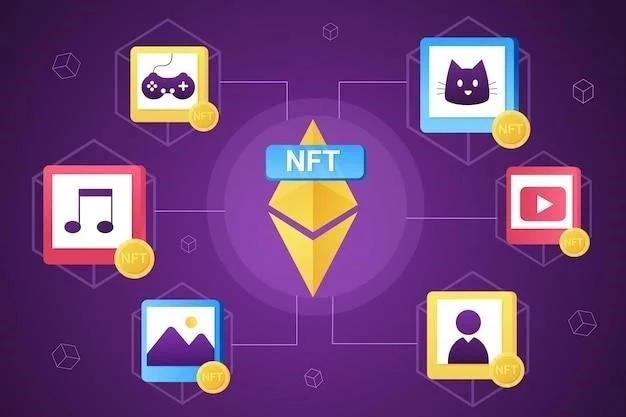
OpenSea has rapidly become the dominant force in the Non-Fungible Token (NFT) landscape․ Launched in 2017, it’s the world’s first and largest peer-to-peer marketplace for NFTs, facilitating the buying, selling, and discovery of a vast array of digital assets․ This article explores OpenSea’s history, functionality, key features, and its impact on the burgeoning NFT ecosystem․
The Rise of OpenSea
Initially, OpenSea focused on digital collectibles, particularly CryptoKitties․ However, it quickly expanded to encompass a much broader spectrum of NFTs, including art, music, domain names, virtual worlds, trading cards, and more․ Its early adoption of the ERC-721 standard (the technical standard for NFTs on Ethereum) was crucial to its success․ The platform’s open nature – allowing anyone to create and trade NFTs – fostered a vibrant community and accelerated NFT adoption․
How OpenSea Works: A User Guide
OpenSea operates as a decentralized platform, meaning it doesn’t directly own the NFTs listed on its site․ Instead, it provides the infrastructure for buyers and sellers to connect․ Here’s a breakdown of the process:
- Creating an Account: Users connect their cryptocurrency wallet (MetaMask, Coinbase Wallet, etc․) to OpenSea․
- Browsing NFTs: The platform offers extensive filtering and search options to find specific NFTs or collections․
- Buying NFTs: Purchases are made using cryptocurrencies, primarily Ethereum (ETH) and increasingly, other supported blockchains․
- Selling NFTs: Sellers can list their NFTs at a fixed price or through auctions․
- Minting NFTs: OpenSea allows creators to “mint” their own NFTs directly on the platform, simplifying the creation process․
Key Features & Innovations
OpenSea distinguishes itself through several key features:
- Multi-Blockchain Support: Beyond Ethereum, OpenSea now supports Polygon, Solana, Klaytn, and others, reducing gas fees and expanding accessibility․
- Diverse NFT Categories: From digital art to virtual land, OpenSea caters to a wide range of NFT interests․
- Collection Pages: Dedicated pages for NFT collections provide detailed information and trading history․
- Rarity Tools: Integration with rarity tools helps users assess the scarcity and potential value of NFTs․
- OpenSea Studio: A suite of tools for creators to easily mint and manage their NFTs․
Impact on the NFT Ecosystem
OpenSea’s influence on the NFT space is undeniable․ It has:
- Democratized Access: Made NFTs accessible to a wider audience․
- Driven Market Growth: Facilitated billions of dollars in NFT trading volume․
- Empowered Creators: Provided a platform for artists and creators to monetize their work directly․
- Fostered Innovation: Encouraged the development of new NFT use cases․
Challenges and Future Outlook
Despite its success, OpenSea faces challenges, including concerns about fraud, copyright infringement, and high gas fees (though mitigated by layer-2 solutions)․ The future of OpenSea likely involves continued expansion to new blockchains, enhanced security measures, and further development of creator tools․ It remains the central hub for the NFT revolution, shaping the future of digital ownership․