
Reddit’s Top Picks for Hardware Wallets in 2024
August 31, 2026
Ethereum Staking Update: October 2024
September 2, 2026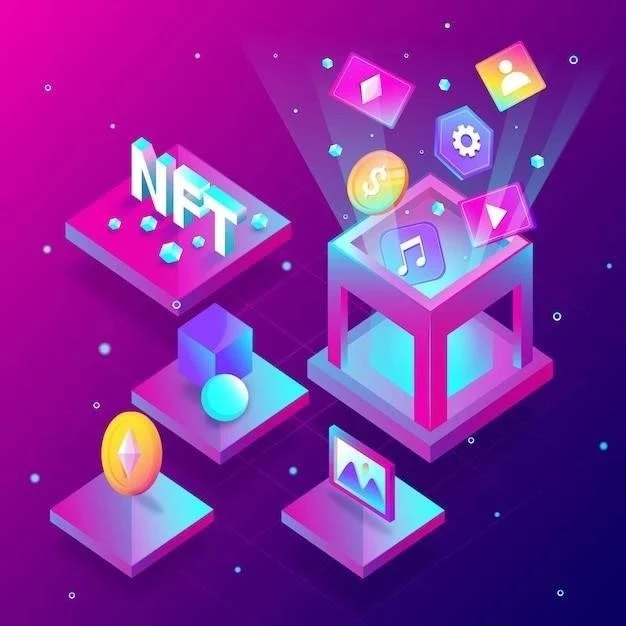
The ZetaChain NFT marketplace represents a novel approach to non-fungible tokens (NFTs), leveraging the power of a cross-chain interoperability protocol. Unlike traditional NFT marketplaces confined to a single blockchain (like Ethereum or Solana), ZetaChain aims to create a unified space where NFTs can be seamlessly traded across multiple blockchains. This article delves into the core features, benefits, challenges, and future outlook of the ZetaChain NFT marketplace.
What is ZetaChain and Why is it Important for NFTs?
ZetaChain is a Layer-1 blockchain designed for omnichain smart contracts. Its key innovation is its ability to communicate and transact with any other blockchain, without relying on bridges or wrapped assets. For NFTs, this means several crucial advantages:
- Cross-Chain Liquidity: NFTs minted on different chains can be listed and traded on the ZetaChain marketplace, pooling liquidity that would otherwise be fragmented.
- Expanded Audience: Collectors aren’t limited to users of a single blockchain; they can access NFTs from various ecosystems.
- Reduced Fragmentation: A single marketplace simplifies the NFT experience, eliminating the need to navigate multiple platforms.
- Native Cross-Chain Transfers: NFTs can be directly transferred between chains without complex bridging processes.
Key Features of the ZetaChain NFT Marketplace
The ZetaChain NFT marketplace is still under development, but several core features are planned and being implemented:
- Unified Interface: A user-friendly interface to browse, buy, and sell NFTs from supported blockchains.
- Cross-Chain Listings: The ability to list NFTs minted on Ethereum, Polygon, Binance Smart Chain, and other chains.
- Zeta Tokens (ZETA) Integration: ZETA, the native token of ZetaChain, will likely be used for transaction fees, governance, and potentially staking to boost visibility.
- Gas Fee Optimization: ZetaChain aims to minimize gas fees associated with cross-chain transactions.
- Secure Transactions: Leveraging ZetaChain’s security model to ensure safe and reliable NFT trading.
- Royalty Support: Creators will be able to define and receive royalties on secondary sales.
How Does it Work? (Technical Overview)
ZetaChain utilizes a unique approach to cross-chain communication based on “Observers” and “Relayers.” Observers monitor events on other blockchains, while Relayers facilitate the transfer of data and assets between chains. For NFTs, this process involves:
- NFT Listing: A user lists an NFT from Chain A on the ZetaChain marketplace.
- Cross-Chain Message: A message is sent to Chain A via ZetaChain’s network.
- Observer Verification: An Observer on Chain A verifies the listing request.
- Relayer Execution: A Relayer executes the transfer of ownership (or a representation of it) on Chain A.
- NFT Representation: ZetaChain creates a representation of the NFT, allowing it to be traded within the marketplace.
- Purchase & Transfer: When an NFT is purchased, the process is reversed to transfer ownership back to Chain A (or to a new chain if desired).
Benefits for NFT Creators and Collectors
For Creators:
- Wider Reach: Access a larger pool of potential buyers.
- Increased Liquidity: Easier to sell NFTs due to cross-chain availability.
- New Revenue Streams: Potential for increased royalties and exposure.
For Collectors:
- Greater Choice: Access NFTs from diverse blockchains in one place.
- Simplified Trading: No need to manage multiple wallets or bridges.
- Potential for Arbitrage: Opportunities to profit from price differences across chains.
Challenges and Considerations
Despite its promise, the ZetaChain NFT marketplace faces several challenges:
- Complexity: Cross-chain technology is inherently complex, requiring robust security measures.
- Scalability: Handling a large volume of cross-chain transactions efficiently is crucial.
- Adoption: Attracting both creators and collectors to a new marketplace requires significant marketing and incentives.
- Security Risks: Potential vulnerabilities in the Observer/Relayer network could be exploited.
- Gas Costs (on Origin Chains): While ZetaChain aims to optimize fees, gas costs on the original blockchain where the NFT resides still apply.
Future Outlook
The ZetaChain NFT marketplace has the potential to revolutionize the NFT landscape by breaking down the barriers between blockchains. Successful implementation will depend on addressing the challenges outlined above and fostering a vibrant ecosystem of creators, collectors, and developers. Future developments may include:
- Integration with more blockchains.
- Advanced NFT features (e.g., fractionalization, lending).
- Decentralized governance of the marketplace.
- Enhanced security protocols.
ZetaChain’s vision of a truly interoperable NFT ecosystem is ambitious, but its innovative approach could unlock significant value for the entire NFT community.