
Crypto-Judaism A History of Secret Faith
March 1, 2026
Crypto Credit Cards Bridging Digital Assets and Everyday Spending
March 2, 2026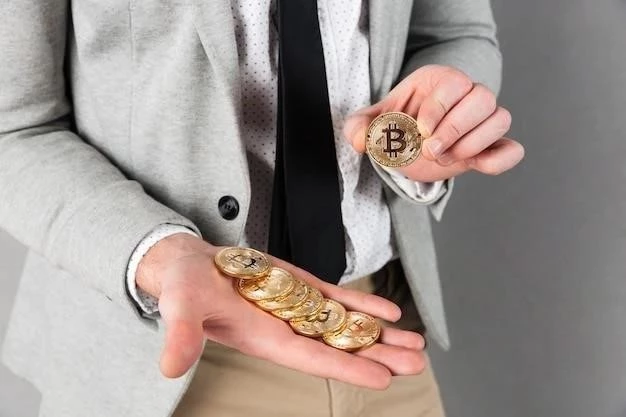
Embarking into cryptocurrency can feel overwhelming. With “Crypto 101,” often championed by educators like Bryce Paul, understanding fundamentals becomes accessible. This guide aims to demystify digital assets, laying a solid foundation for newcomers.
What is Cryptocurrency?
At its core, cryptocurrency is a digital or virtual currency secured by cryptography, making it nearly impossible to counterfeit or double-spend. Unlike traditional currencies issued by central banks, cryptocurrencies operate on a decentralized network called a blockchain. This distributed ledger technology ensures transparency, immutability, and security without the need for intermediaries.
The Blockchain Revolution
The innovation powering crypto is the blockchain. Imagine a chain of blocks, where each block contains a list of transactions. Once a block is filled and verified, it’s added to the chain, creating an unchangeable record. This technology isn’t just for money; it’s a foundational shift promising to revolutionize various industries, from supply chain management to digital identity.
Key Concepts for Beginners
- Decentralization: No single entity controls the network.
- Mining: The process by which new transactions are verified and added to the blockchain.
- Wallets: Digital tools used to store, send, and receive cryptocurrencies. They come in various forms: hardware, software, and paper.
- Exchanges: Platforms where you can buy, sell, and trade cryptocurrencies (e.g., Coinbase, Binance).
- Bitcoin (BTC): The first and most well-known cryptocurrency, often seen as digital gold.
- Ethereum (ETH): A platform that enables smart contracts and decentralized applications (dApps), paving the way for DeFi and NFTs.
Beyond Bitcoin & Ethereum: Altcoins, DeFi, and NFTs
While Bitcoin and Ethereum dominate, thousands of “altcoins” (alternative coins) exist, each with unique purposes. Decentralized Finance (DeFi) leverages blockchain to offer traditional financial services (lending, borrowing) without banks. Non-Fungible Tokens (NFTs) are unique digital assets representing ownership of items like art, music, or collectibles.
Bryce Paul’s Emphasis: Education and Prudence
Educators like Bryce Paul often stress the importance of continuous learning and responsible investing. The crypto market is volatile and speculative. Key takeaways often include:
- Do your own research (DYOR).
- Never invest more than you can afford to lose.
- Understand the underlying technology and use cases.
- Secure your assets properly.
Getting Started Safely
To begin, choose a reputable exchange, set up a secure wallet, and start with small investments. Focus on understanding market dynamics and the long-term potential rather than short-term gains. The journey into crypto is an ongoing learning experience, and foundational knowledge is your strongest asset.