
A Beginner’s Guide to Hardware Wallets
August 30, 2026
Top YouTube Channels for Bitcoin Wallet Guidance (2024)
August 31, 2026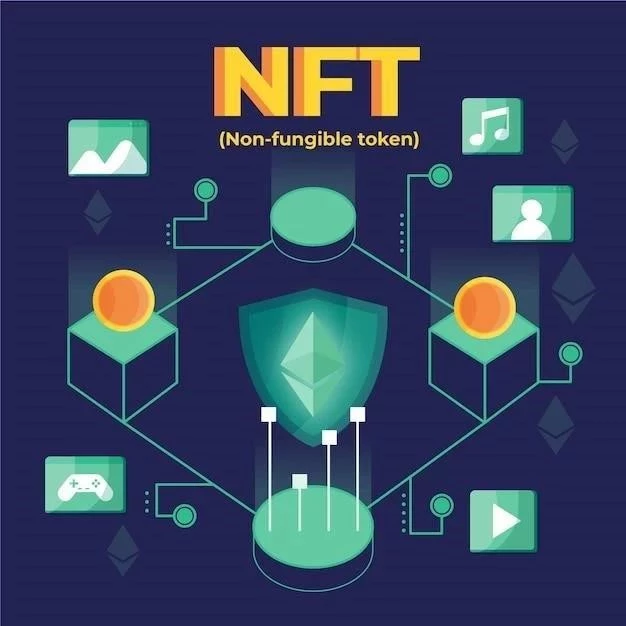
The NFT (Non-Fungible Token) space is rapidly evolving. While owning a whole, often expensive, NFT is the norm, a new paradigm is emerging: fractionalized NFTs. Fragment marketplaces are built around this concept, allowing users to buy, sell, and trade portions of high-value NFTs. This unlocks access to assets previously unattainable for many.
What is a Fragment NFT Marketplace?
A fragment NFT marketplace is a platform specifically designed for trading fractional ownership of NFTs. Instead of purchasing the entire digital collectible, users acquire ‘fragments’ – tokens representing a percentage of the underlying NFT. These fragments behave like shares in a company, granting proportional ownership rights and potential benefits.
Key Features & Benefits:
- Accessibility: Lower entry barrier – invest in blue-chip NFTs with smaller capital.
- Liquidity: Easier to buy and sell portions than the entire NFT, increasing market activity.
- Portfolio Diversification: Spread investments across multiple NFTs without significant capital outlay.
- Community Ownership: Enables collective ownership and governance of valuable digital assets.
- Potential for Increased Value: If the underlying NFT appreciates, fragment holders benefit proportionally.
How Does Fragmentation Work?
The process typically involves:
- NFT Vault: The original NFT is deposited into a secure vault or smart contract.
- Tokenization: The NFT is represented by a set number of fragments (e.g., 10,000 fragments representing 10,000 shares).
- Fragment Issuance: These fragments are issued as ERC-20 tokens (or similar standards) on a blockchain.
- Trading: Fragments are listed and traded on the fragment marketplace.
- Redemption (Optional): Some platforms allow fragment holders to redeem their portions for the underlying NFT if they accumulate enough fragments.
Popular Fragment NFT Marketplaces
Several platforms are leading the charge in fractional NFT trading:
- Fractional.art: One of the pioneers, focused on high-value art NFTs.
- Pine: Allows for easy fragmentation and trading of NFTs.
- NFTX: Creates NFT-backed ERC-20 tokens, enabling fractional ownership.
- Drip: Focuses on fractionalizing popular profile picture (PFP) NFTs.
Risks & Considerations
While promising, fragment NFTs aren’t without risks:
- Smart Contract Risk: Vulnerabilities in the smart contract governing the fragments.
- Liquidity Risk: Fragments may not always have sufficient trading volume.
- Regulatory Uncertainty: The legal status of fractional NFTs is still evolving.
- Custodial Risk: Reliance on the platform to securely hold the underlying NFT.
The Future of Fragment NFTs
Fragment NFTs represent a significant step towards democratizing access to the NFT market. As the space matures, we can expect to see increased adoption, more sophisticated platforms, and potentially integration with DeFi (Decentralized Finance) protocols. This could unlock new opportunities for yield generation and governance within the NFT ecosystem.