
Crypto Casinos The Future of Online Gambling
May 9, 2026
Zcash The Privacy-Focused Cryptocurrency
May 11, 2026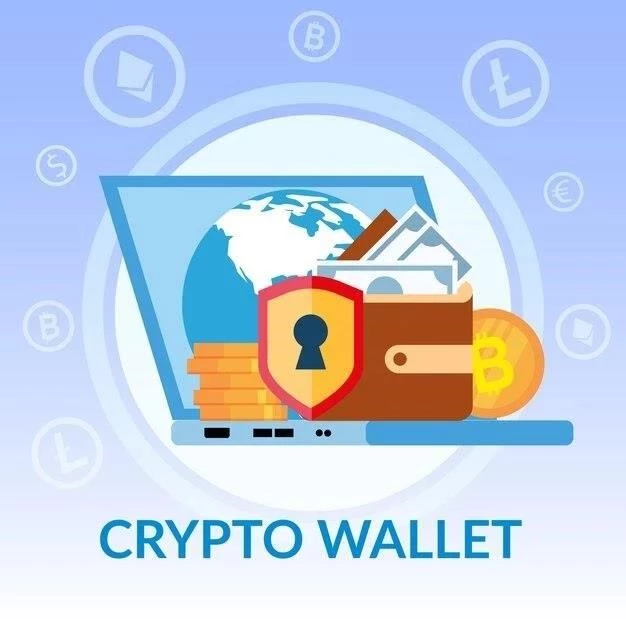
An onchain wallet is your personal‚ essential gateway to cryptocurrency networks. Unlike traditional banks‚ it doesn’t store your assets directly. Instead‚ it securely holds the cryptographic keys‚ primarily your private key‚ which prove ownership and authorize transactions on a blockchain. This fundamental tool grants users direct control over their digital funds‚ embodying the core principle of self-sovereignty in decentralized finance.
Core Mechanics of Onchain Wallets
Public and Private Keys
Every onchain wallet relies on a pair of mathematically linked keys. Your public key generates your unique wallet address‚ openly shareable for receiving funds. Your private key‚ a secret string‚ is the ultimate proof of ownership; it’s used to cryptographically sign transactions‚ proving your authorization to move assets. Losing your private key means permanent loss of access to your crypto‚ with no recovery mechanism.
Seed Phrase (Mnemonic)
To simplify private key management‚ most modern wallets use a “seed phrase” (12-). This master key deterministically generates all your private keys and addresses. It’s crucial to store your seed phrase offline and securely‚ as anyone possessing it can access and spend your funds. It serves as your sole backup and recovery method.
Blockchain Interaction
Wallets interact directly with the blockchain. To check your balance‚ the wallet queries the public ledger for funds associated with your address. To send crypto‚ your wallet uses your private key to sign the transaction‚ which is then broadcast to the network. Validators confirm the signature and include it in a block‚ updating the blockchain’s state. This direct interaction ensures user sovereignty.
Types of Onchain Wallets
Onchain wallets come in various forms‚ balancing security and convenience:
- Software Wallets: Applications installed on devices (desktop‚ mobile) or as browser extensions. Convenient for daily use but rely on device security. Examples include MetaMask‚ Trust Wallet.
- Hardware Wallets: Physical devices (e.g.‚ Ledger‚ Trezor) storing private keys offline. Considered the most secure for long-term storage (cold storage) as keys never leave the device.
- Paper Wallets: Physical printouts of keys. Offer cold storage but are less practical and carry risks like physical damage or insecure sweeping. Largely outdated.
Advantages of Onchain Wallets
- Full Control: Complete ownership and access to your funds via private keys.
- Transparency: All transactions publicly verifiable on the blockchain.
- Censorship Resistance: No third-party can block or reverse transactions.
- DeFi Access: Essential for interacting with decentralized applications and protocols.
Disadvantages & Risks
- High Responsibility: Solely responsible for key security; no “forgot password” option.
- Irreversible Transactions: Errors in sending crypto cannot be undone.
- Security Threats: Vulnerable to phishing‚ malware‚ or seed phrase loss if not managed carefully.
- Complexity: Can be challenging for new users due to concepts like gas fees and key management.
Securing Your Onchain Wallet
Prioritize security to protect your digital assets:
- Backup Seed Phrase: Write it down offline‚ store in multiple secure‚ fireproof locations. Never store digitally.
- Use Hardware Wallets: Highly recommended for significant holdings to keep private keys offline.
- Strong Passwords & 2FA: For software wallets‚ use unique‚ complex passwords and enable two-factor authentication.
- Beware Phishing: Always verify URLs and sources. Never share your seed phrase or private key.
- Keep Software Updated: Ensure all wallet applications and operating systems are current.
- Test Transactions: Send small amounts first to new addresses to confirm setup.
Onchain wallets are more than just tools; they are the bedrock of personal financial autonomy in the crypto space. They empower users with unprecedented control‚ transparency‚ and access to decentralized innovation. However‚ this power comes with significant responsibility. By understanding their core mechanics‚ choosing appropriate types‚ and diligently implementing security best practices‚ users can confidently navigate and thrive within the decentralized future.