

The Rise, Role, and Risks of Crypto KOLs
June 6, 2026
94fbr Crypto A Conceptual Exploration of a Decentralized Digital Currency
June 8, 2026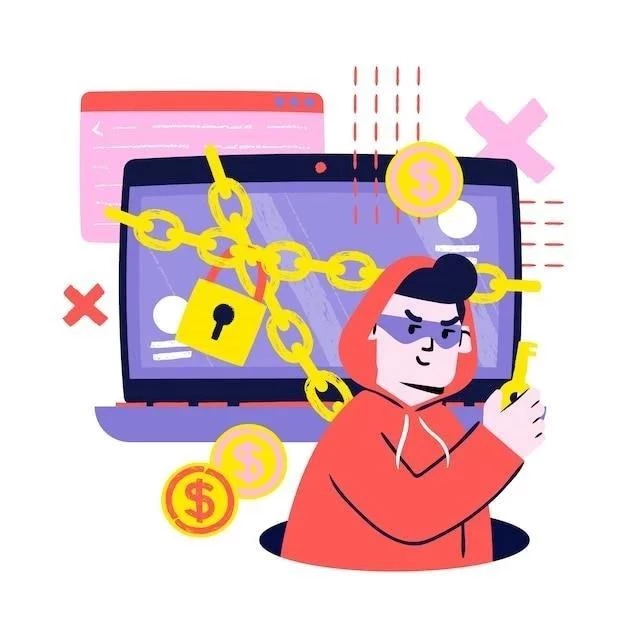
The cryptocurrency landscape, while innovative, presents a complex environment ripe for scams․ Its decentralized nature and rapid growth attract malicious actors, making investor education crucial․ Protecting your digital assets begins with recognizing common threats and adopting robust security practices․
Common Crypto Scam Tactics
- Phishing: Scammers create fake websites, emails, or social media accounts mimicking legitimate platforms to steal credentials, private keys, or seed phrases․ Always verify URLs․
- Rug Pulls: Developers of a new crypto project abandon it suddenly, selling all their tokens and draining liquidity, leaving investors with worthless assets․ Common in new DeFi or meme coin projects․
- Impersonation Scams: Fraudsters pose as celebrities, officials, or support staff on social media or messaging apps, offering fake investments or “support” to illicitly gain funds․
- Investment & Ponzi Schemes: These promise unrealistic, guaranteed high returns, often requiring recruitment of new investors․ Early investors are paid with funds from new participants until the scheme collapses․
- Giveaway Scams: Frequently seen on social media, these promise to multiply your crypto if you send a small amount to a specific address, often with fake celebrity endorsements․ You send, you lose․
- Romance Scams: Scammers build online emotional relationships, then manipulate victims into investing in fake crypto projects or sending funds under various pretexts․
- Malware & Ransomware: Malicious software designed to steal crypto by accessing wallets, logging keystrokes, or encrypting data for a crypto ransom․
Identifying a Crypto Scam
- Unrealistic Returns: Promises of exceptionally high, quick returns with no risk are red flags․
- Urgency & Pressure: Scammers often rush you to act quickly, preventing due diligence․
- Unsolicited Offers: Be wary of unexpected emails, DMs, or calls asking for crypto or personal info․
- Requests for Private Keys: Legitimate entities will NEVER ask for your private keys, seed phrases, or passwords;
- Lack of Transparency: Anonymous teams, vague whitepapers, or unverified project details signal risk․
Protecting Your Crypto Investments
- Do Your Own Research (DYOR): Thoroughly investigate any project․ Check whitepapers, team, and community․
- Verify Sources: Double-check URLs, email addresses, and social media․ Bookmark official sites․
- Enable 2FA: Use 2-Factor Authentication on all crypto accounts for enhanced security․
- Never Share Private Information: Keep private keys, seed phrases, and passwords strictly confidential;
- Use Reputable Platforms: Stick to established, regulated exchanges and wallet providers․
- Skepticism is Key: If an offer sounds too good to be true, it almost certainly is․
- Stay Informed: Educate yourself on the latest scam tactics and security best practices․
If You Are Scammed
Act swiftly․ Document all communications and transactions․ Report the incident to local law enforcement, relevant financial authorities, and the crypto exchange involved․ While recovery is challenging, reporting helps investigations and prevents further victims․
Navigating the crypto world safely requires vigilance, continuous education, and a healthy dose of skepticism․ By understanding common scam tactics and implementing strong security measures, you can significantly reduce your risk and protect your digital assets․